
Baby Teeth, Big Responsibility: What Happens When Your Child’s Baby Teeth Have Untreated Cavities?


Does your child bite their nails while watching TV, doing homework, or feeling nervous? You might think it's just a harmless childhood habit, but frequent nail biting can have surprising effects on your child's dental health!
Nail biting, also known as onychophagia, is a common habit among children. Some kids do it when they're bored, stressed, concentrating, or simply out of habit. While an occasional bite may not seem like a big deal, repeatedly putting pressure on the teeth and jaws can potentially lead to dental problems over time.
For parents in Sedona, AZ, understanding how everyday habits affect children's smiles is an important part of maintaining good oral health. At Sedona Molar Kids, we believe that educating families about preventive dental care helps children develop healthy habits that last a lifetime.
Let's explore how nail biting can affect your child's teeth and what you can do to help them break the habit!
1. Nail Biting Can Put Extra Pressure on Your Child's Teeth
Children's teeth are designed to bite and chew food, not constantly apply pressure to hard fingernails. When kids bite their nails repeatedly, they place unusual stress on their front teeth.
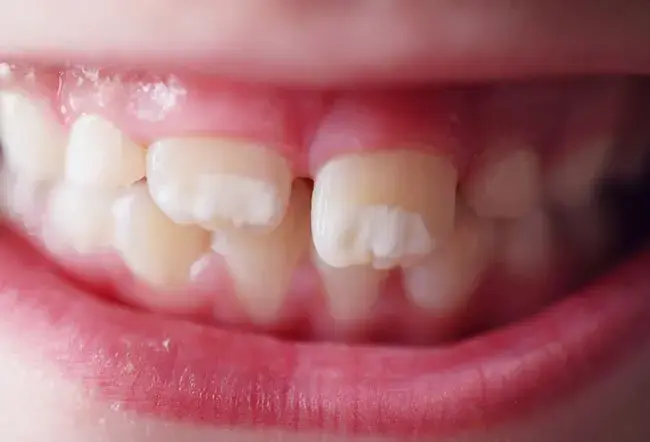
Over time, this habit may contribute to:
Small chips or cracks in the enamel.
Increased wear on the edges of the front teeth.
Tooth sensitivity if enamel becomes damaged.
Discomfort when biting or chewing.
Although occasional nail biting may not cause noticeable damage, frequent or forceful biting can increase the risk of dental problems.
Parent tip: If you notice your child regularly biting their nails, gently remind them to stop and offer an alternative activity to keep their hands busy.
2. It May Affect Your Child's Bite and Tooth Alignment
Did you know that repeated habits involving the teeth can sometimes influence how a child's bite develops?
Frequent nail biting places repeated pressure on the front teeth and surrounding structures. In some children, this habit may contribute to changes in tooth positioning or worsen existing bite problems.
Parents should pay attention to signs such as:
Front teeth that appear to be shifting.
Discomfort when biting down.
Uneven tooth contact.
Jaw soreness or clicking.
Nail biting does not automatically cause crooked teeth, but persistent habits are worth discussing with a pediatric dentist in Sedona, AZ.
3. Nail Biting Can Introduce Germs Into Your Child's Mouth
Children touch all kinds of surfaces throughout the day, from playground equipment and classroom desks to toys and electronic devices.
Their fingernails can collect dirt and bacteria, especially when they aren't washed regularly. When children bite their nails, they transfer whatever is underneath their nails directly into their mouths.
This can increase exposure to germs and may contribute to infections around the fingernails or mouth.
A simple solution: Encourage frequent handwashing, keep your child's nails trimmed, and teach them why keeping their fingers out of their mouths is important for overall health.
4. It Can Irritate the Gums and Soft Tissues
Nail biting doesn't only affect teeth. Sharp or uneven fingernails can accidentally scratch or irritate the delicate tissues inside your child's mouth.
Repeated contact with the gums may cause minor irritation, while accidentally biting the surrounding skin can create small injuries.
If your child frequently complains about sore gums, mouth irritation, or discomfort around their front teeth, it's worth mentioning the habit during their next dental appointment.
A pediatric dentist can examine the affected areas and help determine whether nail biting is contributing to the problem.
5. Why Do Children Bite Their Nails in the First Place?
Before helping your child stop nail biting, it's important to understand why the habit happens.
Children may bite their nails for several reasons, including:
Stress or anxiety: Some children bite their nails when they're nervous or overwhelmed.
Boredom: Nail biting can become an automatic activity when kids have nothing else to do.
Concentration: Children may bite their nails while reading, studying, or watching something interesting.
Imitation: Kids sometimes pick up habits by observing siblings, friends, or adults.
Comfort: For some children, nail biting becomes a way to self-soothe.
Understanding the trigger can make it easier to help your child replace the habit with a healthier behavior.
6. 5 Simple Ways to Help Your Child Stop Biting Their Nails
Breaking a habit takes time, patience, and encouragement. Instead of scolding your child, focus on positive strategies that make them feel supported.
Here are five practical ways to get started:
1. Keep Their Nails Short
Trim your child's nails regularly and smooth any rough edges. Short nails may make the habit less tempting and reduce the chance of accidentally damaging their teeth.
2. Keep Their Hands Busy
Offer activities that encourage children to use their hands, such as drawing, building with blocks, playing with modeling clay, or squeezing a stress ball.
3. Identify Their Triggers
Notice when nail biting happens most often. Is it during homework, screen time, or stressful situations? Identifying patterns can help you find better ways to address the behavior.
4. Use Positive Reinforcement
Celebrate small victories! Praise your child when they remember not to bite their nails. A simple reward chart can make the process fun and motivating.
5. Talk About Dental Health
Explain in an age-appropriate way that teeth are meant for chewing food, not fingernails. Help your child understand how protecting their teeth today can keep their smile healthy tomorrow.
Remember, patience is key. Nail biting can be difficult to stop, especially when it happens unconsciously. If the habit is persistent or connected to anxiety, your child's pediatrician may also be able to offer guidance.
7. When Should You Visit a Pediatric Dentist in Sedona, AZ?
Not every child who bites their nails will develop dental problems. However, if the habit is frequent, it's a good idea to mention it during regular dental checkups.
A pediatric dentist can evaluate your child's teeth, gums, and bite to identify any signs of damage or changes that may need attention.
Consider scheduling an appointment if you notice:
Chipped or worn front teeth.
Tooth sensitivity or discomfort.
Changes in how your child's teeth fit together.
Persistent gum irritation.
Jaw discomfort when chewing.
Regular pediatric dental visits are essential for monitoring your child's oral development and catching potential problems early.
At Sedona Molar Kids, preventive dental care helps children build healthy habits while making dental visits a positive experience.
Healthy Habits Today, Beautiful Smiles Tomorrow!
Nail biting may seem like a small childhood habit, but when it happens frequently, it can have an impact on your child's teeth, gums, and overall oral health.
The good news is that with patience, encouragement, and the right strategies, parents can help children gradually replace nail biting with healthier habits.
Remember, protecting your child's smile goes beyond brushing and flossing. Everyday behaviors matter, too!
Looking for trusted kids dentistry in Sedona, AZ? Sedona Molar Kids is here to help your family stay informed, prevent dental problems, and support healthy smiles at every stage of childhood.
Schedule your child's next dental checkup and give those growing smiles the care they deserve!


Comments