
Smart Smiles: How 3D Dental Scanners Are Making Kids' Dentist Visits Easier

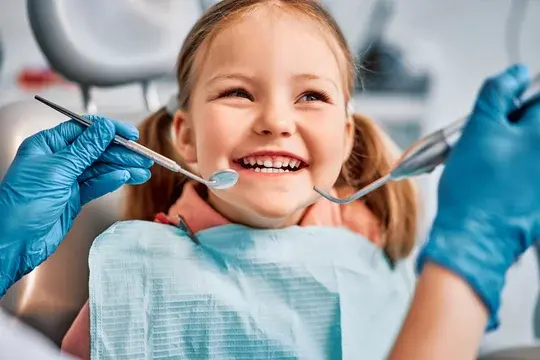
Imagine your child looking at a screen and seeing a colorful, three-dimensional model of their own teeth! Instead of wondering what the dentist is doing, they can actually see their smile from a whole new perspective.
Welcome to the world of digital dentistry!
Technology is changing the way dental professionals examine, understand, and care for children's teeth. One exciting innovation is the 3D intraoral dental scanner, a small handheld device that captures detailed digital images of a child's teeth and gums.
For parents exploring modern kids dentistry in Sedona, AZ, understanding how this technology works can help make dental visits feel less intimidating and more educational for the entire family.
But what exactly is a 3D dental scanner? Is it comfortable for children? And how can it help support their growing smiles?
Let's take a closer look!
What Is a 3D Dental Scanner?
A 3D dental scanner is a handheld device that captures digital images of the teeth and surrounding oral structures. As the dentist gently moves the scanner around the mouth, it collects multiple images and combines them into a detailed three-dimensional model.
Think of it as a tiny digital camera designed specifically for your child's smile!
Unlike traditional dental impressions, which often use a tray filled with a soft material that children must bite into while it hardens, digital scanning creates a virtual model without that material.
The dentist can then view the model on a computer screen, rotate it, zoom in, and examine different areas of the teeth.
For children, this can turn an unfamiliar dental procedure into something much more interactive and interesting.
How Does Digital Dental Scanning Work?
The process is generally simple and noninvasive.
Here's what parents can expect when a pediatric dentist uses an intraoral scanner:
1. Getting Comfortable
First, your child sits comfortably in the dental chair while the dental team explains what will happen.
The dentist may introduce the scanner as a special camera that takes pictures of their teeth.
Making the experience feel like an adventure can help children become more comfortable with unfamiliar equipment.
2. Taking Digital Pictures
The dentist gently moves the scanner around the child's mouth, capturing images of the upper and lower teeth.
Depending on the scanner, the process may involve optical light or other imaging technology. It does not require conventional X-ray exposure to create a digital dental impression.
3. Creating a 3D Smile Model
The scanner's software combines the captured images into a three-dimensional digital model.
Your child may even get to see their teeth appear on the computer screen!
4. Reviewing the Results
The pediatric dentist can examine the digital model to better understand the shape, position, and alignment of the teeth.
These images may also help with treatment planning, orthodontic evaluations, and certain restorative dental procedures.
The entire process is designed to be straightforward, although scanning time depends on the child's cooperation, the equipment, and the amount of information needed.
5 Reasons 3D Dental Scanners Can Make Dental Visits Easier for Kids
Digital scanning offers several potential benefits for young patients. Here are five reasons this technology is becoming an interesting part of modern pediatric dentistry.
1. No More Messy Dental Impression Material
Remember those trays filled with thick, gooey impression material?
Traditional dental impressions can be uncomfortable for some children, especially those with a sensitive gag reflex or difficulty tolerating unfamiliar textures.
A digital intraoral scanner eliminates the need for impression material when a digital impression is appropriate.
Instead of holding a tray inside their mouth while the material sets, children simply have their teeth scanned with a small handheld device.
This can make the experience more comfortable and less stressful.
2. A More Interactive Dental Experience
Children are naturally curious, especially when they get to see something new!
One of the most interesting aspects of 3D dental scanning is that children can see a digital model of their own teeth.
Dentists can use these images to explain:
How baby teeth and permanent teeth are developing.
Why some teeth may be crowded or overlapping.
How teeth fit together when biting.
Why an orthodontic evaluation might be recommended.
Which areas may need additional attention.
When children understand what's happening inside their mouths, dental visits can become more educational and engaging.
3. Detailed Images to Support Treatment Planning
Every child's smile is different.
Some children may need orthodontic monitoring, while others may require restorative treatment or an evaluation of their developing bite.
Digital dental impressions provide detailed information about tooth shape and position that can help dentists plan certain treatments.
For example, 3D scans may be useful for:
Monitoring tooth alignment.
Planning certain orthodontic treatments.
Creating dental appliances.
Designing some crowns or other restorations.
Comparing digital models when monitoring changes over time.
It's important to remember that a 3D dental scan does not replace a complete dental examination or dental X-rays when those are necessary. It is an additional diagnostic and planning tool.
4. A Potentially Faster and More Comfortable Process
One of the biggest advantages of digital impressions is that they can reduce some of the discomfort associated with traditional impression techniques.
A systematic review published in 2025, which included seven studies and 337 children, found that digital impressions were generally faster and better tolerated than conventional impressions. Children also showed a stronger preference for digital scanning.
The findings support the potential of digital technology to improve the impression-taking experience in pediatric dentistry.
Of course, every child is different, and the experience depends on their age, comfort level, and ability to cooperate during the procedure.
5. Better Communication Between Dentists and Parents
Sometimes, understanding a dental concern can be difficult when all you have is a verbal explanation.
Digital models give parents and dentists something visual to discuss.
Instead of simply hearing that a tooth is crowded or that an orthodontic evaluation may be helpful, parents can see a digital representation of their child's teeth.
This can make conversations about dental development, treatment options, and preventive care easier to understand.
When parents are better informed, they can feel more confident participating in decisions about their child's oral health.
Are 3D Dental Scanners Safe for Children?
Yes. Intraoral scanners are generally considered safe, noninvasive tools for capturing digital dental impressions.
Unlike conventional dental X-rays, optical intraoral scanners do not use ionizing radiation to create their digital models.
The scanner is placed inside the mouth to capture images of the teeth and surrounding structures. It does not require injections or drilling.
However, not every child needs a 3D scan.
A pediatric dentist determines whether this technology is appropriate based on the child's dental needs and the type of treatment being considered.
Parents should also understand that digital scans are different from 3D dental X-rays, such as cone-beam computed tomography (CBCT). These technologies serve different purposes, and CBCT involves radiation exposure, so it should only be used when clinically justified.
Do 3D Dental Scanners Replace Traditional Dental X-Rays?
This is one of the most common questions parents have about digital dentistry.
The short answer is no.
Although 3D intraoral scanners provide detailed images of visible tooth surfaces and oral structures, they cannot show everything happening beneath the surface.
Dental X-rays may be needed to help identify:
Cavities between teeth.
Problems involving tooth roots.
Infections around the roots.
Developing permanent teeth beneath baby teeth.
Certain bone and supporting-structure concerns.
The two technologies provide different types of information.
A pediatric dentist decides which imaging tools are appropriate based on the child's age, dental history, clinical examination, and individual needs.
The goal is always to gather the information necessary to provide appropriate care while avoiding unnecessary procedures or radiation exposure.
Why Early Dental Monitoring Matters for Growing Smiles
Children's mouths change constantly as they grow.
Baby teeth gradually fall out, permanent teeth begin to emerge, and the jaw continues developing throughout childhood and adolescence.
That's why regular dental checkups are so important.
During routine visits, a pediatric dentist can monitor:
The eruption of permanent teeth.
Tooth spacing and alignment.
Bite development.
Signs of tooth decay.
Changes in the gums and surrounding tissues.
Habits that may affect dental development.
Digital dental scans, when appropriate, can provide another way to document and evaluate these changes.
However, technology is only one part of preventive dentistry. Regular checkups, healthy eating habits, fluoride protection, brushing, and flossing remain essential for maintaining healthy teeth.
How Can Parents Prepare Their Child for a Digital Dental Scan?
Even exciting new technology can feel unfamiliar to a young child.
Fortunately, a little preparation can make the experience easier.
Here are five simple tips:
1. Explain the scanner in kid-friendly language.
Tell your child that the dentist has a special little camera that takes pictures of their teeth.
2. Let them ask questions.
Children may want to know whether the scanner hurts or makes noise. Encourage them to ask the dental team anything they're curious about.
3. Keep the explanation positive.
Avoid using words that might make the experience sound frightening. Focus on how the scanner helps the dentist learn more about their smile.
4. Encourage curiosity.
If the dental team allows it, ask whether your child can see the digital model on the screen after the scan.
5. Celebrate their effort.
A little encouragement can go a long way. Praise your child for trying something new, even if they feel nervous at first.
Remember, every child is different. Some may be fascinated by the technology, while others may need a little extra time and reassurance.
The Future of Kids Dentistry in Sedona, AZ
Digital technology is creating new possibilities for pediatric dental care.
From 3D intraoral scanners to advanced imaging and digital treatment planning, modern dental tools are helping professionals gather information and communicate more effectively with families.
For parents searching for kids dentistry in Sedona, AZ, it's worth understanding how these innovations may support their children's dental care.
At Molar Opposites Kids Dentist, we believe that combining modern dental technology with a child-centered approach can help create positive experiences for young patients.
Our focus is on preventive care, healthy development, and helping children feel comfortable as they build lifelong oral health habits.
Technology can make a dental visit more interesting, but the most important part will always be the people behind it: a caring dental team that listens, explains, and understands each child's individual needs.
Ready to Give Your Child's Smile a Smart Start?
A healthy smile begins with good habits, regular checkups, and the right dental care at every stage of childhood.
If you're looking for a pediatric dentist in Sedona, AZ, Molar Opposites Kids Dentist is here to help your family navigate every stage of your child's dental development.
Whether it's your child's first dental visit, a routine cleaning, or an evaluation of their growing smile, our goal is to make every experience educational, welcoming, and positive.
Because when it comes to your child's smile, a little technology and a lot of care can go a long way!
Contact Molar Opposites Kids Dentist to learn more about our pediatric dental services and schedule your child's next visit.


Comments