
Why Are My Child’s Teeth Growing Differently? Rare Pediatric Dental Conditions Explained
- Mayra Benitez
- May 7
- 3 min read

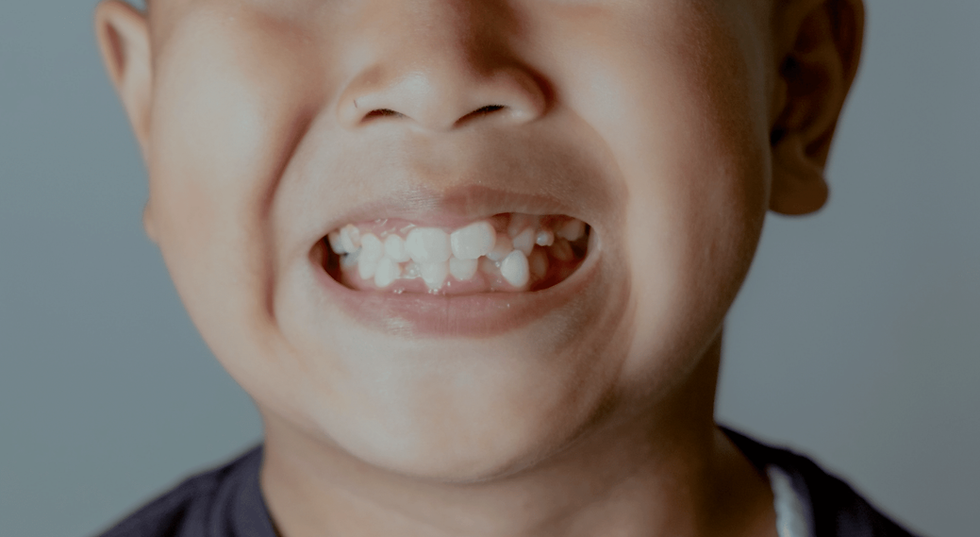
At Molar Opposites Sedona, families often ask questions about unusual tooth development and what it could mean for their child’s oral health. Understanding these conditions can help parents feel more confident and prepared when caring for growing smiles.
If you are searching for trusted kids dentistry in Sedona, this guide explains several less common dental conditions seen in children and when to schedule a dental evaluation.
Are Uneven or Unusual Teeth Always a Problem?
Not always. Every child develops differently, and some variation in tooth growth is completely normal. However, certain signs may indicate a condition that requires monitoring or treatment.
Parents should pay attention to:
Teeth that appear very small or oddly shaped
Yellow, brown, or chalky white discoloration
Teeth that erupt very late
Missing teeth
Teeth that chip easily
Gaps that seem excessive
Difficulty chewing or speaking
A pediatric dentist can determine whether these differences are part of normal development or signs of an underlying dental condition.
Rare Pediatric Dental Conditions Parents Should Know
Enamel Hypoplasia
Enamel hypoplasia occurs when the enamel does not fully develop, leaving teeth weak or thin. Children with this condition may have:
White or yellow spots
Grooves or pits in teeth
Increased sensitivity
Higher risk of cavities
This condition can happen due to illness, nutritional deficiencies, premature birth, or genetics.
Amelogenesis Imperfecta
This rare genetic condition affects enamel formation. Teeth may appear:
Discolored
Fragile
Small
Easily worn down
Children with amelogenesis imperfecta often need specialized dental care to protect their teeth and improve comfort.
Dentinogenesis Imperfecta
This condition affects the inner structure of the teeth, called dentin. Teeth may look:
Blue-gray or translucent
Weak and prone to breaking
Worn down quickly
Early treatment can help preserve tooth function and appearance.
Hyperdontia
Hyperdontia means extra teeth develop in the mouth. Some children may grow additional baby teeth or permanent teeth, which can lead to crowding or alignment problems.
Hypodontia
Hypodontia is when certain teeth never develop at all. Missing permanent teeth can affect chewing, spacing, and future orthodontic needs.
What Causes Rare Dental Conditions in Children?
Some pediatric dental conditions are genetic, while others may be linked to:
Illness during early development
Trauma to baby teeth
Nutritional deficiencies
Medical conditions
Premature birth
In many cases, early diagnosis helps prevent future complications.
How Pediatric Dentists Help
At Molar Opposites Sedona, pediatric dentists focus on identifying dental concerns early while creating a positive experience for children.
Treatment options may include:
Fluoride treatments
Dental sealants
Tooth-colored crowns
Orthodontic evaluations
Space maintainers
Cosmetic bonding
Preventive care plans
Every child’s smile is unique, and treatment is personalized based on their needs and development.
When Should Parents Schedule a Dental Visit?
If you notice unusual tooth growth, discoloration, delayed eruption, or sensitivity, it is a good idea to schedule an evaluation. Early care can improve comfort, protect developing teeth, and help avoid more complex treatments later.
Regular dental visits are one of the best ways to monitor your child’s oral health and catch problems early.
Supporting Healthy Smiles in Sedona, AZ
Even rare dental conditions can often be managed successfully with early care and guidance from experienced pediatric dental professionals. The most important thing parents can do is stay informed and maintain regular dental checkups.
If you are looking for compassionate kids dentistry in Sedona, the team at Molar Opposites Sedona is dedicated to helping children build healthy, confident smiles in a fun and supportive environment.


Comments